- 1) AHMAD KAMIL BIN ABD RAZAK
- 2) AIDA ADRIANA BINTI NOR SABIRIN
- 3) ANIS DIANA BINTI SULAIMAN
- 4) ANIS MADIHAH BINTI ZAKIMAN
- 5) AQIL HAZIQ BIN ZAM ZAM
- 6) ASY SYIFA’ BINTI HAMRAN
- 7) FAQIH ABDULAIS BIN RADIN SUTEKNO (Extend)
- 8) HADIF NAZHAN BIN HASBULLAH
- 9) IRFAN DANIEAL BIN IBRAHIM
- 10) KHAIRUNNISHA DIRANI BINTI MOHD SUBRI
- 11) LUQMAN HAKIM BIN ADNAN
- 12) MIOR ROSAFIQ HAZREEN BIN ROSLAN
- 13) MUHAMAD ZAINUL SHAHMY BIN ZAINI
- 14) MUHAMMAD ABDEEN BIN ZAMRI
- 15) MUHAMMAD ADLI BIN ROSMAN
- 16) MUHAMMAD AIMAN BIN SALLEH
- 17) MUHAMMAD ALIFF IKMAL BIN ABDUL HALIM
- 18) MUHAMMAD ASHRAF BIN NAZRI
- 19) MUHAMMAD AZRI BIN NAZIR
- 20) MUHAMMAD DANIAL BIN MOHAMAD NASRI
- 21) MUHAMMAD FITRI BIN AHMAD
- 22) MUHAMMAD HARIZ ASYRAN BIN ABDULL RAHIM
- 23) MUHAMMAD IRFAN BIN ABDUL LATIF
- 24) MUHAMMAD IZHAM NAQIS BIN MOHD JALANI
- 25) MUHAMMAD IZKANDAR BIN MOHD HAIRI
- 26) MUHAMMAD IZZUDDIN SHAH BIN ZAMRI
- 27) MUHAMMAD KHAIRUL AKMAL BIN MAZLAN
- 28) MUHAMMAD SHAKEER DANIEL BIN MOHD SHAHRUDIN
- 29) MUHAMMAD TAUFIQ HAZIQ BIN JUNAIDI
- 30) NUR AISYAH DAMIA BINTI ABDUL RAHIM
- 31) NUR NATASHA SHAFIQAH BINTI ALIFF RAHMAN
- 32) SYAZWI BIN ASMURAN
CDCS2536A-20244
CDCS2535A-20244
- 1) AMIRUL IRFAN BIN SHAHRUL NIZAM
- 2) BADRULZAMAN BIN BOLHASAN
- 3) DALILAH ULFAH BINTI MAT SALLEH
- 4) DAYANG AI BINTI HAMZAH
- 5) FARISHA NABIHA BINTI SYAMSURIZAM
- 6) FATHEHA BINTI YUSMAN
- 7) HANIS BINTI MORSHIDUL AHYAD
- 8) HAZIM SYAZANI BIN ABDUL KARIM
- 9) HAZIQ NAQIUDDIN BIN ZAINUDDIN
- 10) IMAN ZAIM BIN NORFAZLI
- 11) JASMINE ATHIRAH BINTI HANIF
- 12) MOHAMAD SYAFIQ HAMDANI BIN SAMSURI
- 13) MOHD. ANIQ BIN JOHARI
- 14) MUHAMMAD AMIR HAKIM BIN MOHD ZAWAWI
- 15) MUHAMMAD AMIRUL HAKIM BIN MOHD RAMLI
- 16) MUHAMMAD HAMDANI BIN NAILI ROHMANU
- 17) NOR ATHIRAH BINTI MD NOOR @ MOHAMAD
- 18) NUR AFRINA BALQIS BINTI ABDUL RAZAK
- 19) NUR AFRINA HANI BINTI ZULKIFLI AMIN
- 20) NUR AINA FARZANA BINTI GHAZALI
- 21) NUR ALYA BINTI ASMIZI
- 22) NUR ATIRA NABIHA BINTI MOHD ZAINUDDIN
- 23) NUR DANIA
- 24) NUR ERYNA SYAQIRA BINTI ZULAZRI
- 25) NUR FATIMAH BINTI MOHAMAD HANAPI
- 26) NUR FAZREEN AQILAH BINTI MUHAMAD FADZIL
- 27) NUR HABIBAH MAISARAH BINTI MOHD NOR
- 28) NUR SYAZWINA BINTI MOHD ROZALI
- 29) NUR SYUHADAH BINTI NOOR’ALIM
- 30) NUREEN NATASYA BINTI KAMAL ARIFIN
- 31) NURINA IRDINA BINTI NASHARUL KAMAL
- 32) NURUL IZZATI BINTI KAMARUDIN
- 33) QUTRENNADA BINTI KHAIRULNIZAM
- 34) RABIATUL ADAWIYAH BINTI SUFFIAN
- 35) REZUAN NURHAKIM BIN BAKHTIAR
- 36) SHARIFAH NUR AIN ASIYAH BINTI SYED OMAR
- 37) SHIFAA BINTI MOHD SHAHIR
Assessments (CSP 600)
Assessments
Assignment 30% (Lecturer)
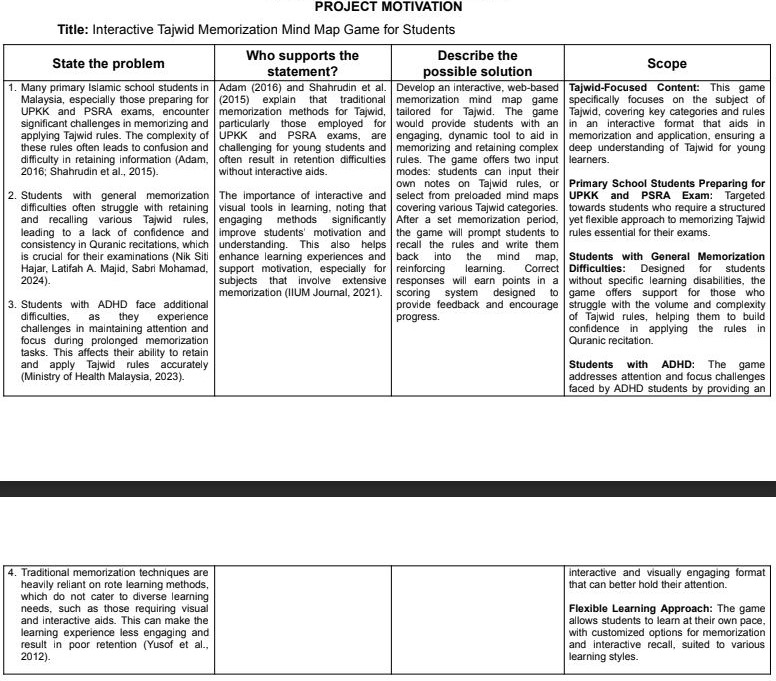
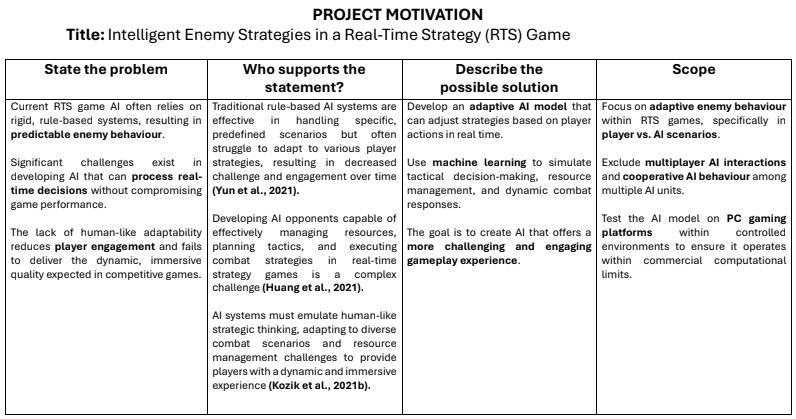
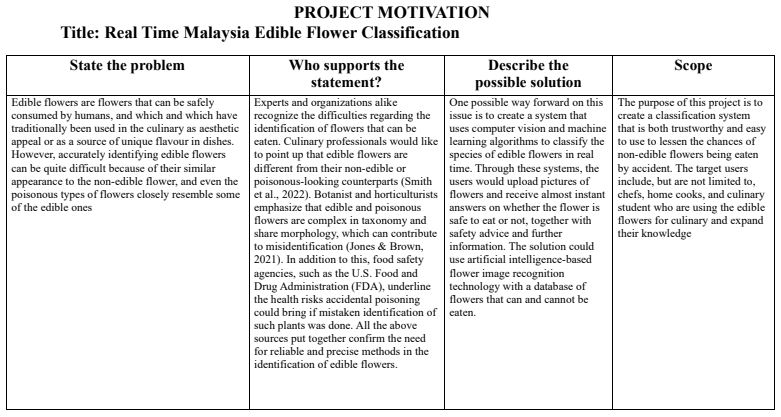
- 10% Assignment 1 (Project Motivation) (Form F2) – Due date (5/5/2026)
- 10% Assignment 2 (Literature Review) (Form F3) – Due date (23/6/2026)
- 10% Assignment 3 (Methodology) (Form F4) – Due date (6/7/2026)
Presentation 25% (Lecturer, supervisor & Examiner) – 12/7/2026
- Project Formulation Presentation Form (F7) (**progress) – Lecturer (10%)
- Project Formulation Presentation Form (F7) (**final) – Supervisor (10%) & Examiner (5%)
Written report 45% (Supervisor & Examiner) –Due date (6/7/2026)
- Project Formulation Evaluation Form (F8) – Supervisor (30%) & Examiner (15%)
List all forms:
Course syllabus & Schema of work (CSP 600)
In this course the student will be exposed to the different types of research project and learn to propose a complete research project. The students will be guided to produce a proposal of an intended project. The guidance will include theoretical research and it can culminate in model program intended for testing out the theoretical findings.
At the end of the course, students should be able to:
- Explain the gaps obtained from literatures in the area of computing sciences.
- Propose appropriate solution to computing sciences problem.
- Present the propose solution to computing sciences problem.
Course Syllabus
| Topic | Remarks |
|---|---|
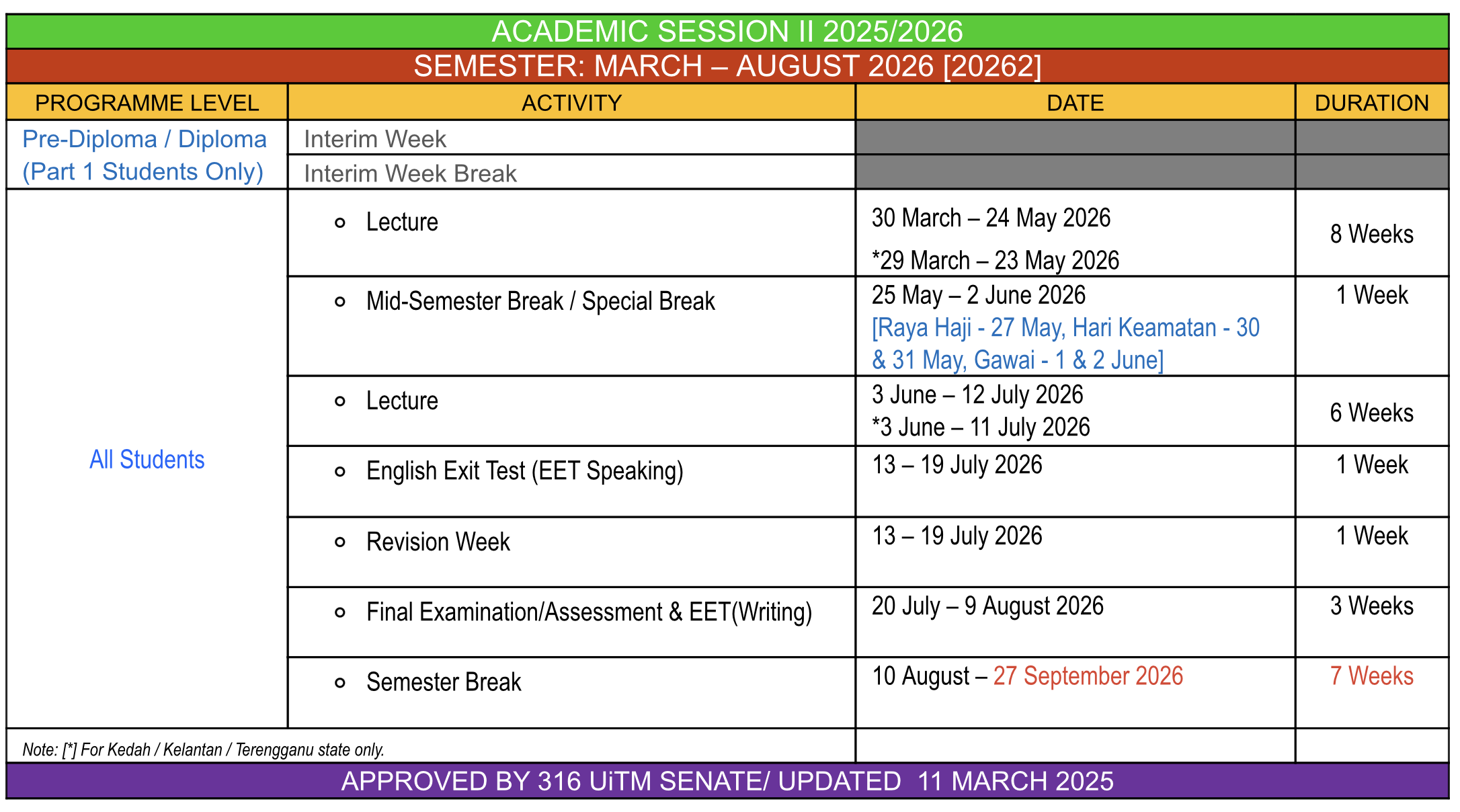
| WEEK 1 (30/3 –3/4) Overview of CSP600 • Project Formulation • Introduction to Ethics | Lecture 1 Introduction to the course FYP briefing Lab 1: Identify supervisor Choose a topic & supervisor |
| WEEK 2 (6/4 – 10/4) Choose a Project • Area of Interest • Identify Stakeholder • Sample CS projects | Start Entrance Survey (30 Mac – 3 Mei 2026) Lecture 2 Choose a Project Project formulation Lab 2: Discussion of topic and project Discussion of project motivation |
| WEEK 3 (13/4 – 17/4) Project Description • Research Questions Formulation • Problem Statement, Objective(s), Scope and Significance Identification | Start Entrance Survey (30 Mac – 3 Mei 2026) Submit Mutual Acceptance Form(F1) Lecture 3 Overview about Chapter 1 Lab 3: Individual title discussion |
| WEEK 4 (20/4 – 24/4) Proposal Outline Presentation • Individual Presentation | Lecture 4 APA style Edition Lab 4: Individual title discussion |
| WEEK 5 (27/4 – 1/5) Proposal Outline Presentation • Individual Presentation | Lecture 5 Overview about Chapter 2 Literature review 1 Lab 5: Progress presentation |
| WEEK 6 (4/5 – 8/5) Proposal Outline Presentation • Individual Presentation | Submit Project Motivation (F2) and Chapter 1 – Due (5/5/2026) Lecture 6 Literature review 2 Literature review 3 Lab 6: Progress presentation |
| WEEK 7 (11/5 – 15/5) Literature review • Format of report submission • Referencing tools (Mendeley) • Citations and References • Plagiarism • Ouriginal | Lecture 7 Overview about Chapter 3 Watch Lecture Session Lab 7: Individual presentation of Chapter 1 |
| WEEK 8 (18/5 – 22/5) Literature review • Project framework • Similar work/ comparison of techniques | Lecture 8 Methodology Lab 8: Individual presentation of Chapter 1 (continue) |
| (25/5 – 2/6) | Semester break |
| WEEK 9 (3/6 – 5/6) Methodology • Software development methodology • Techniques/Algorithm development | Lecture 9 Plagiarism Discussion chapter 1 Lab 9: Progress presentation |
| WEEK 10 (8/6 – 12/6) Methodology (cont.) • Project Design (System architecture, use-case diagram, ER-diagram, storyboard, process flowchart) | Lecture 10 Discussion chapter 2 Lab 10: Progress presentation |
| WEEK 11 (15/6 – 19/6) Progress presentation • Individual Presentation | Start Student Feedback Online (SuFO) (15 Jun – 14 July 2026) Lecture 11 Discussion chapter 3 Lab 11: Progress presentation |
| WEEK 12 (22/6 -26/6) Progress presentation • Individual Presentation | Submit Project Chapter 2 (Literature Review) and Form F3 – Due (23/6/2026) Start Exit Survey (22 Jun -7 July 2026) Lecture 12 Discussion chapter 3 Lab 12: Progress presentation |
| WEEK 13 (29/6- 3/7) Progress presentation • Individual Presentation | Lecture 13 Discussion slide presentation Lab 13: Progress presentation |
| WEEK 14 (6/7 – 10/7) Final Proposal Presentation • Proposal Report + Plagiarism Report Report Submission + Ethics Forms | Submit Final Proposal – Due (6/7/2026) Start Student Feedback Online (SuFO) Start Exit Survey Final presentation 12/7/2026 |
| (13/7 – 19/7) | Study week |
| (20/7 – 9/8) | End Student Feedback Online (SuFO) End Exit Survey Final Examination Week |
| (10/8 – 27/9) | Semester Break |
SESI MAC – SEPT 20262

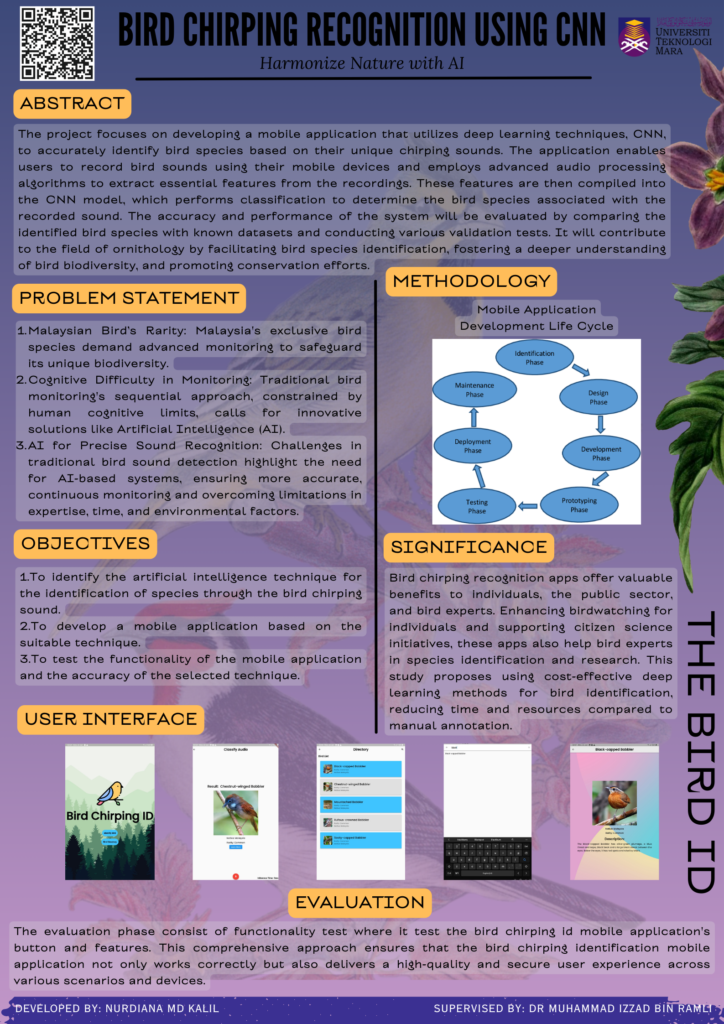
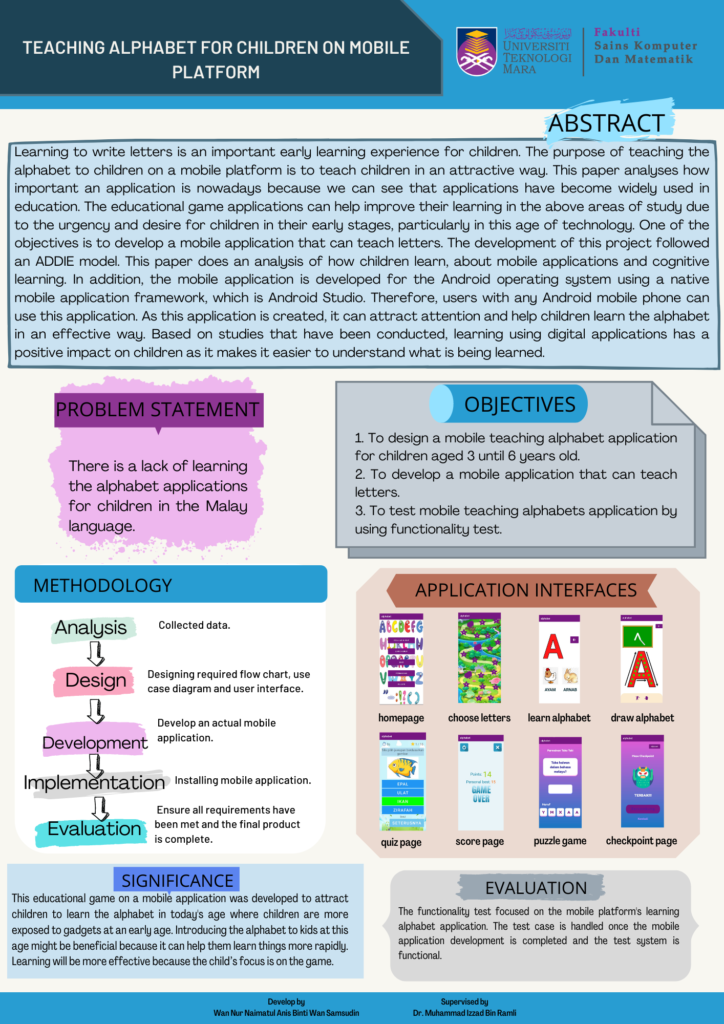
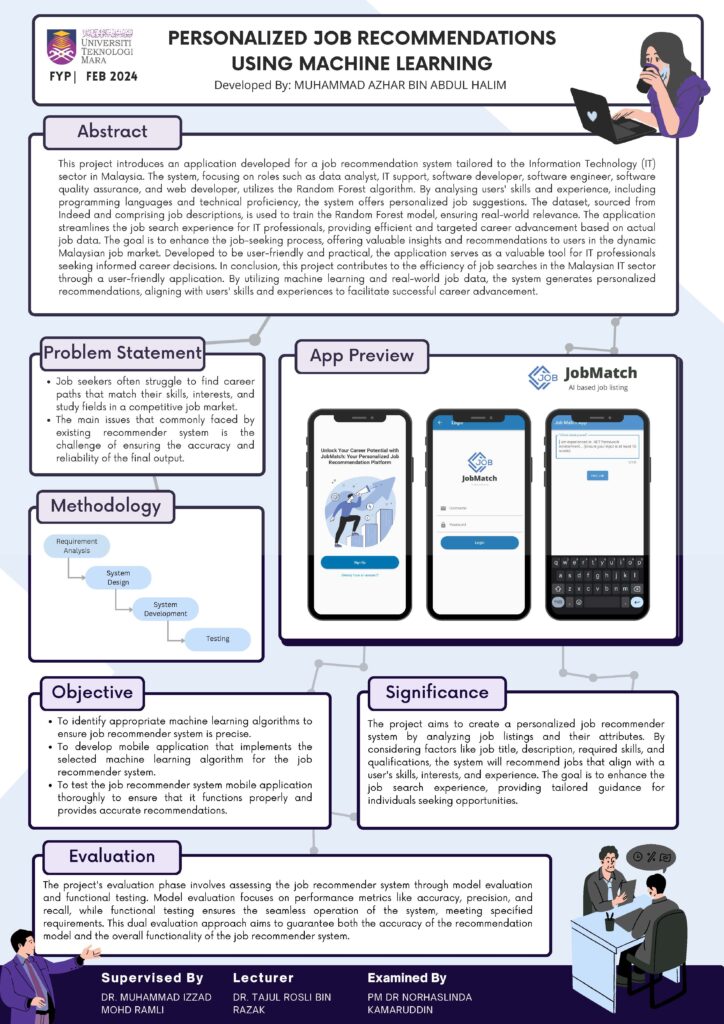
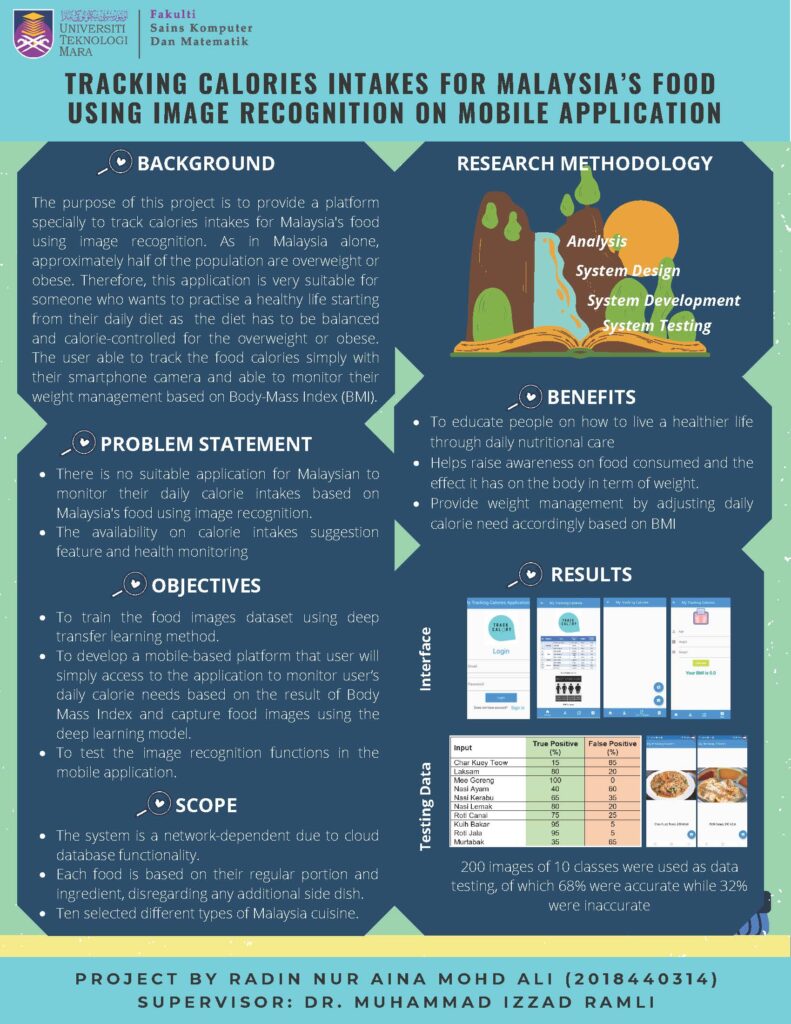
Poster FYP


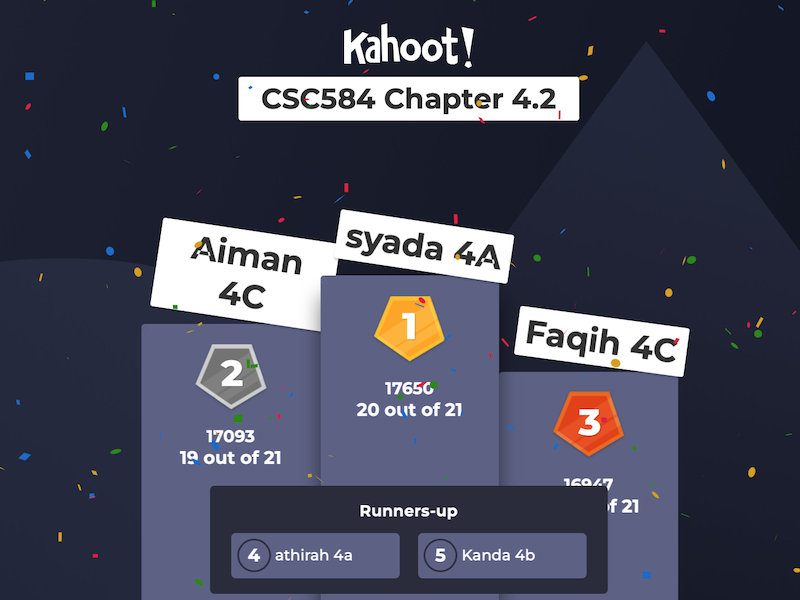
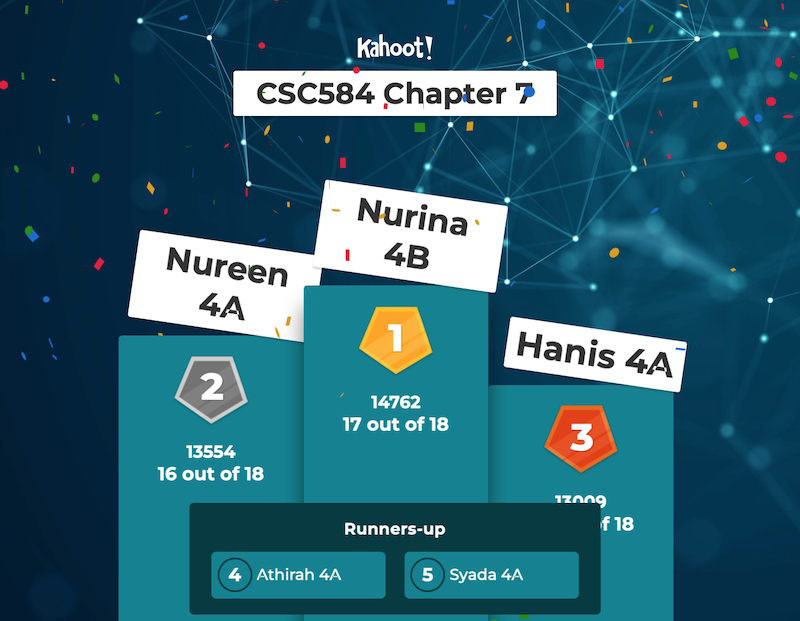
KAHOOT CHAMPION (CSC 584)-20242
Course introduction


Chapter 1.1 – Review of Object Oriented Programming Concepts


Chapter 1.2 – Review of Object Oriented Programming Concepts (Inheritance)


Chapter 2 – Introduction to Java Enterprise Edition (Java EE)


Chapter 3.1 – Web Component – HTML and Servlet


Chapter 3.2 – Web Component – HTML and Servlet


Chapter 4.1 – Web Component – Java Server Page (JSP)


Chapter 4.2 – Java Server Page (JSP)


Chapter 5 – Java Database connectivity


Chapter 6 – Enterprise JavaBean (EJB) Components


Chapter 7 – Development of Enterprise Application


Chapter 8 – Packaging and Deployment of Enterprise Application


Past Year Questions


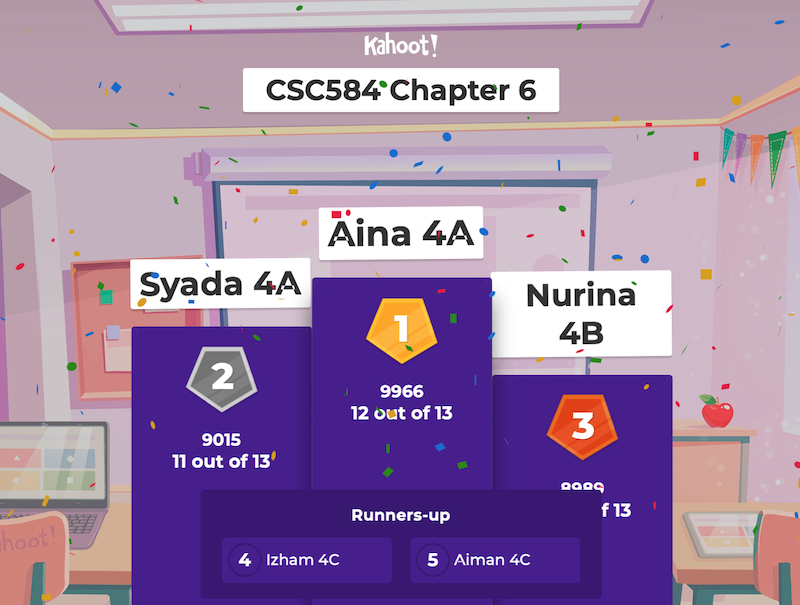
KAHOOT CHAMPION (CSC 584)-20234
Capture picture
Course introduction


Chapter 1.1 – Review of Object Oriented Programming Concepts


Chapter 1.2 – Review of Object Oriented Programming Concepts (Inheritance)


Chapter 2 – Introduction to Java Enterprise Edition (Java EE)


Chapter 3.1 – Web Component – HTML and Servlet


Chapter 3.2 – Web Component – HTML and Servlet


Chapter 4.1 – Web Component – Java Server Page (JSP)


Chapter 4.2 – Java Server Page (JSP)


Chapter 5 – Java Database connectivity


Chapter 6 – Enterprise JavaBean (EJB) Components


Chapter 7 – Development of Enterprise Application


Chapter 8 – Packaging and Deployment of Enterprise Application


Past Year Questions


Significance
Why you do the research.
Who can benefit.
GIve a group of user can benefit from the system/project.
Importance – What is the importance?
Usefulness – What is the usefulness of the project?
Benefit – What is/are the benefit (s)? Who benefits from the project?
WEB-BASED MERCHANDISE SYSTEM USING INTERACTIVE MULTIMEDIA
Through the proposed solution, the significance is that by incorporating interactive multimedia technologies to enhance user engagement and accessibility, the suggested solution advances the expanding sector of e-commerce. By concentrating on the particular requirements of university communities, this study fills in the gaps in the body of knowledge regarding the use of multimedia in online platforms. It furthers our understanding of user-centric design in specialised e-commerce contexts by providing insights into how sophisticated web design and multimedia concepts might address user behaviour and preferences.
Interactive elements allow users to experience products more fully than with static images. This helps customers make informed purchasing decisions, reduces return rates, and improves satisfaction. While, real-time inventory tracking and automated order management reduce the workload on club members by minimizing manual tasks. This efficiency helps the club to manage stock, anticipate demand, and avoid overselling. Also, a web-based for e-commerce provides a platform for digital marketing through newsletters, social media integration, and promotional events, which can boost engagement and attract new members.
The importance of this study in which it will be convenient to the users as it offers a simple, user-friendly portal for buying academic resources and items bearing the club’s logo. Customers don’t need to go to actual stores to browse, visualise, and buy products. A personalized web-based by making recommendations for products based on user preferences, the platform may increase user happiness and produce a more tailored experience. Also, the importance of this study promotes community development and institution branding by using multimedia to increase the exposure and attractiveness of items. A user-friendly and engaging e-commerce solution can boost sales, contributing to funding for campus initiatives or resources.
Last but not least, the benefits of this study are providing students and employees with a cutting-edge, practical, and entertaining platform for buying goods. Hence, it will promote income generating, operational effectiveness, and branding of the merchandise. E-commerce in a web-based fashion also will emphasise how interactive multimedia can improve niche platforms’ usability and attractiveness.
DREAMIES: COSMETIC RECOMMENDATION SYSTEM
The proposed platform is designed to solve problems that most makeup beginners face and is designed in an easy and user-friendly way. Dreamies acts as an intermediary between overwhelming choice and individual advice, helping users to choose suitable products. This project is important, since it will make the choosing of cosmetics easier. By grouping options into skin types and makeup preferences, Dreamies helps users avoid mismatched products, reduces frustration, and limits overall waste.
This platform helps users improve their knowledge of cosmetic products and makeup techniques, video tutorials and beauty tips , thus allowing them to do the makeup looks that they want and further build confidence in their skills. It also helps beauty educators, and influencers with a new, creative way of presenting product recommendations.This platform is to educate users on the importance of understanding their skin type and makeup needs in a fun and easy way. This project offers a platform where beginners are guaranteed safety, ease of use , and reliability in choosing makeup, thus aiding in informed decisions and instilling confidence in the beauty journey.
GAMIFIED LEARNING FOR FOUNDATIONAL LITERACY AND NUMERACY
From a game-based learning tool created in Bahasa Malaysia, this study proves that early childhood education positively influences by providing important support for young learners. Interactive game tools and game-based features encourage engagement, making literacy and numeracy skills accessible and fun. The design will include features for non-readers and beginners, encouraging independent learning in a localized environment. Additionally, by aligning content with students’ linguistic backgrounds, the tool promotes language development in a comfortable and familiar way.
This platform benefits educators by providing a versatile resource to support lesson planning and enable more personalized instruction. For parents who are not always familiar with new technology, a user-friendly dashboard will allow them to monitor their child’s progress and actively support learning at home. To sum up, this educational tool strengthens foundational skills, helps children for academic success, and enhances the quality of early learning both at home and in school.
KAHOOT CHAMPION (MRD 501) – (20232)
Course Introduction


Chapter 1.1 – Introduction to Image Processing


Chapter 1.2 – Introduction to Image Processing


Chapter 2.1 – Image Enhancement


Chapter 2.2 – Image Enhancement


Chapter 2.3 – Image Enhancement


Chapter 3.0 – Frequency Filtering


Chapter 4.0 – Color Processing